



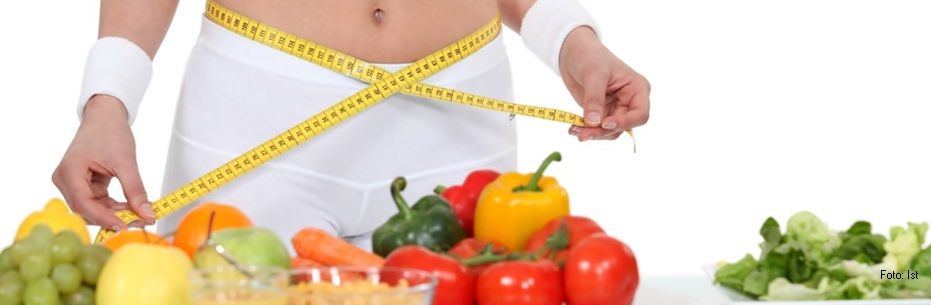
Tips Diet Sehat Aman - The Right Approach

Tips diet sehat adalah blog yang berisikan tips dan artikel tentang program diet sehat - the right approach.

Tips Diet Sehat Aman - The Right Approach

Tips diet sehat adalah blog yang berisikan tips dan artikel tentang program diet sehat - the right approach.

Tips Diet Sehat Aman - The Right Approach

Tips diet sehat adalah blog yang berisikan tips dan artikel tentang program diet sehat - the right approach.

Tips Diet Sehat Aman - The Right Approach

Tips diet sehat adalah blog yang berisikan tips dan artikel tentang program diet sehat - the right approach.

Tips Diet Sehat Aman - The Right Approach

Tips diet sehat adalah blog yang berisikan tips dan artikel tentang program diet sehat - the right approach.

The Right Approach: A Diet for Better Energy

The Right Approach - Juggling the responsibilities of work, life, and family can cause too little sleep, too much stress, and too little time.

Yet even when you're at your busiest, you should never cut corners when it comes to maintaining a healthy diet. Your body needs food to function at its best and to fight the daily stress and fatigue of life.

Energy and Diet: How The Body Turns Food Into Fuel

Our energy comes from the foods we eat and the liquids we drink. The three main nutrients used for energy are carbohydrates, protein, and fats, with carbohydrates being the most important source. Your body can also use protein and fats for energy when carbs have been depleted. When you eat, your body breaks down nutrients into smaller components and absorbs them to use as fuel. This process is known as metabolism.

Carbohydrates come in two types, simple and complex, and both are converted to sugar (glucose). “The body breaks the sugar down in the blood and the blood cells use the glucose to provide energy,” says Melissa Rifkin, RD, a registered dietitian at the Montefiore Medical Center in the Bronx, N.Y.

Energy and Diet: Best Foods for Sustained Energy

Complex carbohydrates such as high-fiber cereals, whole-grain breads and pastas, dried beans, and starchy vegetables are the best type of foods for prolonged energy because they are digested at a slow, consistent rate. “Complex carbohydrates contain fiber, which takes a longer time to digest in the body as it is absorbed slowly," says Rifkin. Complex carbs also stabilize your body’s sugar level, which in turn causes the pancreas to produce less insulin. This gives you a feeling of satiety and you are less hungry.”

Also important in a healthy, energy-producing diet is protein (preferably chicken, turkey, pork tenderloin, and fish), legumes (lentils and beans), and a moderate amount of healthy monounsaturated and polyunsaturated fats (avocados, seeds, nuts, and certain oils).

“Adequate fluids are also essential for sustaining energy,” says Suzanne Lugerner, RN, director of clinical nutrition at the Washington Hospital Center in Washington, D.C. “Water is necessary for digestion, absorption, and the transport of nutrients for energy. Dehydration can cause a lack of energy. The average person needs to drink six to eight 8-ounce glasses of water each day.”

Energy and Diet: Foods to Avoid

Simple carbohydrates, on the other hand, should be limited. Ranging from candy and cookies to sugary beverages and juices, simple carbs are broken down and absorbed quickly by the body. They provide an initial burst of energy for 30 to 60 minutes, but are digested so quickly they can result in a slump afterward.

You should also avoid alcohol and caffeine. Alcohol is a depressant and can reduce your energy levels, while caffeine usually provides an initial two-hour energy burst, followed by a crash.

Energy and Diet: Scheduling Meals for Sustained Energy

“I always recommend three meals and three snacks a day and to never go over three to four hours without eating something,” says Tara Harwood, RD, a registered dietitian at the Cleveland Clinic in Ohio. “If you become too hungry, this can cause you to overeat.”

Also, try to include something from each food group at every meal, remembering that foods high in fiber, protein, and fat take a longer time to digest.

Even if life is hectic, it’s important to make wise food choices that provide energy throughout the day. Your body will thank you.

(Source: .everydayhealth.com)

The Right Approach: Diet and Diabetes

The Right Approach - For most people who don’t feel well, a visit to the doctor can diagnose and fix the problem. Simple, right?

But some diseases can be silent predators, offering few or no warning signs to alert you early on that help is needed. One such disease is diabetes.

Not only does diabetes affect almost 24 million people in the United States, but 25 percent don’t even know they have it.

What Is Diabetes?

As food is digested, it is broken down into glucose (also known as sugar), which provides energy and powers our cells. Insulin, a hormone made in the pancreas, moves the glucose from the blood to the cells. However, if there is not enough insulin or the insulin isn’t working properly, then the glucose stays in the blood and causes blood sugar levels to rise.

There are three main types of diabetes: type 1, type 2, and gestational diabetes. Type 1 results from the pancreas no longer being able to make insulin and is usually found in children, teens, and young adults. Gestational diabetes can occur near the end of a woman’s pregnancy and usually disappears after the baby’s birth.

The most common form of diabetes is type 2. Risk factors include being overweight; not getting enough physical activity; having a parent or sibling with diabetes; being African-American, Asian-American, Latino, Native American, or Pacific Islander; being a woman who had gestational diabetes or gave birth to a baby who weighed more than nine pounds; having high blood pressure, having low HDL (good cholesterol) or high triglycerides; and having pre-diabetes.

Diabetes: Why Is It Dangerous?

“When poorly controlled diabetes causes blood glucose levels that are too high or too low, you may not feel well,” explains Claudia L. Morrison, RD, outpatient diabetes program coordinator at Washington Hospital Center in Washington, D.C. “Diabetes that is poorly controlled over time can lead to complications that affect the body from head to toe.” Issues can occur with everything from one’s eyes, kidneys, and nerves to reproductive organs, blood vessels, and gums. But the most serious problems are heart disease and risk of stroke.

Diabetes: What Role Does Diet Play?

“Food can either promote diabetes or help prevent it, depending on how it affects the body’s ability to process glucose,” says Elizabeth Ricanati, MD, medical director of the Cleveland Clinic’s Lifestyle 180 Program in Cleveland. “People should avoid foods that increase blood sugar and those that raise cholesterol, such as processed foods, foods high in saturated fats or with trans fats, and foods with added sugars and syrups.”

Processed foods as well as items high in fat or sugar not only can disrupt the balance between glucose and insulin, resulting in inflammation, but can also contribute to risk factors such as being overweight.

Carbs, too, need to be watched. While they are necessary to fuel the body, some carbohydrates raise blood glucose levels more than others. “The glycemic index (GI) measures how a carbohydrate-containing food raises blood glucose,” says Morrison. “Foods are ranked based on how they compare to a reference food such as white bread. Dry beans and legumes, all non-starchy vegetables, and many whole-grain breads and cereals all have a low GI.”

Diabetes: What Is a Healthy Diet?

A healthy diet for diabetes is virtually the same as a healthy diet for anyone. Eat reasonably sized portions to avoid gaining weight, and include fruits and vegetables (limit juice to no more than eight ounces a day); whole grains rather than processed ones; fish and lean cuts of meat; beans and legumes; and liquid oils. Limit saturated fats and high-calorie snacks and desserts like chips, cake, and ice cream, and stay away from trans fats altogether.

Thirty minutes of exercise most days of the week and losing 5 to 10 percent of body weight, if a person is overweight, are also crucial in reducing the risk of type 2 diabetes.

Finally, anyone experiencing frequent urination, extreme thirst or hunger, unexplained weight loss, fatigue, blurry vision, or frequent infections should see a doctor for a blood test to check for diabetes. With careful attention and healthy lifestyle choices, diabetes can be kept under control. 

(Source: .everydayhealth.com)

Solusi Obesitas: Latih Usus Kenali Rasa

Tips Diet Sehat - Obesitas merupakan masalah yang cukup menjadi momok yang menakutkan bagi sebagian besar orang, bukan hanya mempengaruhi penampilan saja, obesitas juga dapat memicu berbagai penyakit.

Tips mengatasi obesitas
Foto: duniafitnes.com
Obesitas adalah kelebihan berat badan sebagai akibat dari penimbunan lemak tubuh yang berlebihan. Seseorang yang memiliki berat badan 20% lebih tinggi dari nilai tengah kisaran berat badannya yang normal dianggap mengalami obesitas. Obesitas digolongkan menjadi tiga kelompok, yaitu:
  1. Obesitas ringan : kelebihan berat badan 20-40%
  2. Obesitas sedang : kelebihan berat badan 41-100%
  3. Obesitas berat : kelebihan berat badan >100% (Obesitas berat ditemukan sebanyak 5% dari antara orang-orang yang gemuk).

Baru-baru ini ada penelitian yang menyatakan bahwa obesitas mungkin dapat dicegah dan diobati dengan menjadikan reseptor rasa di usus sebagai target pengobatan. Ternyata usus juga memiliki selera terhadap makanan dan mampu membedakan rasa pahit, manis, gurih atau berlemak dengan menggunakan mekanisme sinyal yang sama seperti lidah. Mekanisme tersebut kemudian melepaskan hormon untuk mengontrol rasa kenyang dan kadar gula darah ketika makanan mencapai usus.

Sensor atau reseptor di perut tersebut juga dapat menanggapi asupan makanan yang berlebihan. Kerusakan pada sensor tersebut mungkin juga memainkan peran dalam kasus obesitas, diabetes, dan kondisi metabolik terkait.

Dr Sara Janssen dan Dr Inge Depoortere, dari Translational Research Center for Gastrointestinal Disorders di Catholic University of Leuven, Belgia melakukan studi untuk mempelajari apakah hal ini dapat dijadikan senjata baru melawan obesitas.

Hasil studi semakin menunjukkan lebih banyak bukti bahwa obesitas dan kondisi terkait dapat dicegah atau diobati dengan cara mengoptimalkan fungsi reseptor rasa pada sel-sel di usus. Sehingga usus dapat melepaskan hormon yang memberi sinyal perasaan kenyang dengan baik.

Peneliti berpendapat bahwa obat pelangsing di masa datang perlu meniru efek fisiologis dari makanan yang dapat mengelabuhi reseptor rasa pada usus, membuat seseorang merasa kenyang, dan terhindar dari perilaku makan berlebihan.

"Operasi bariatrik memang mampu menurunkan berat badan dan mengurangi risiko diabetes, tetapi mungkin dapat melibatkan perubahan dalam pelepasan hormon usus. Tetapi cara terbaru yang mempengaruhi pelepasan hormon usus ini mampu mengontrol asupan makanan dengan cara non bedah yang lebih aman," kata Dr. Depoortere.

Peneliti menyatakan bahwa masih diperlukan penelitian tambahan untuk menunjukkan reseptor usus mana yang lebih peka terhadap rasa dan mungkin dapat menjadi target obat, sehingga efektif dalam mencegah dan mengobati obesitas dan diabetes.

Hasil penelitian ini dipublikasikan dalam jurnal Trends in Endocrinology & Metabolism, seperti dilansir health24, Kamis (27/12). 

(Source: Wikipedia, detikHealth)


Baca Juga:

Tips Diet Sehat - Diet 30 Hari dengan Oatmeal


Tips Diet Sehat - Mungkin Anda sudah sering mendengar manfaat oatmeal bagi kesehatan, bahkan belakangan ini banyak praktisi medis dan ahli gizi mendorong pasien diabetes dan jantung untuk mengonsumsi oatmeal, terutama karena khasiatnya dalam membantu menjaga kadar kolesterol dan gula darah tetap normal. 

Manfaat oatmeal bagi kesehatan
Foto: acozykitchen.com
Selain itu oatmeal juga dapat mengurangi kolesterol, mempertahankan gula darah, menyehatkan jantung, baik untuk penderita diabetes, mencegah kanker usus, serta obesitas.

Oatmeal juga dapat membantu proses kecantikan dan diet karena kandungan serat larut yang terdapat dalam oatmeal memainkan peranan penting dalam membuat tubuh merasa kenyang dalam jangka waktu lama. 

So, berikut ini persiapan sebelum memulai tips diet sehat dengan menggunakan oatmeal:

Untuk memaksimalkan manfaat oatmeal, Anda perlu memperhatikan cara menyiapkan oatmeal berikut ini: Untuk sarapan, siapkanlah setengah cangkir oatmeal dan satu cangkir susu tanpa lemak. Kemudian rebuslah susu susu tanpa lemak dan oatmeal selama satu menit diatas api sedang. Jika Anda memiliki microwave, Anda bisa memasaknya di dalam microwave selama satu setengah menit.

Anda bisa mengkombinasikan dengan blueberry dan raspberry agar kandungan antioksidan dalam oatmeal Anda maksimal. Jika Anda ingin mendapat kandungan protein, cukup tambahkan telur rebus.
Menerapkan oatmeal untuk diet selama 30 hari.

Diet 30 Hari dengan Oatmeal

Tujuh hari pertama

Seperti dilansir Ehow.com, pada tujuh hari pertama disarankan untuk terus mengkonsumsi setengah cangkir oatmeal untuk setiap makan. Konsumsi bersama susu rendah lemak dan pastikan konsumsi kalori Anda setiap hari adalah 900 hingga 1200 kalori per hari.

23 Hari kedepan

Setelah Anda menyelesaikan diet di tujuh hari pertama, Anda disarankan untuk meneruskan hingga 23 hari kedepan dengan menyantap setidaknya setengah cangkir oatmeal. Sedangkan untuk oatmeal instan, tetap pastikan kadar lemak dan gula kurang dari 60 persen dari jumlah total makanan. Dalam tahap ini, jaga kalori Anda antara 1000 hingga 1300 kalori.

Selipkan camilan sehat di setiap jadwal tiga kali makan oatmeal Anda. Stroberi, blueberry, pisang, apel, jeruk,serta anggur merupakan makanan ringan sehat yang amat mendukung program diet sehat Anda. Sebaliknya, hindari melon serta sayuran yang bertepung tinggi seperti kentang.

Latihan selama 30 menit selama tiga kali seminggu. Untuk olahraga terbaik, Anda bisa melihat pada 20 olahraga untuk menurunkan berat badan. Untuk asupan cairan, terapkan 8 gelas per hari sehingga metabolisme Anda berjalan lancar.

Lakukan konsep diet ini selama 30 hari, dan setelah itu, Anda bisa perlahan-lahan mengurangi oatmeal. Terapkan satu kali makan oatmeal dan mulai perkenalkan tubuh Anda dengan daging rendah lemak. Namun, pastikan bahwa sayuran dan buah tetap menjadi pilihan diet Anda.

Agar Anda lebih mengenali oatmeal, berikut beberapa manfaat oatmeal:

- Menurut peneliti, serat larut (beta-glukan) dan avenanthramides (antioksidan) dalam oatmeal mengurangi kolesterol jahat (LDL). Sebagaimana diketahui, kolesterol jahat meningkatkan risiko serangan jantung atau penyumbatan. Dengan mengonsumsi oatmeal secara teratur, Anda mengurangi kemungkinan menyimpan kolesterol jahat dalam tubuh.

- Oatmeal dapat mengontrol kadar gula darah dan merupakan sarapan ideal untuk penderita diabetes. The American Diabetes Association merekomendasikan pasien diabetes untuk memiliki biji-bijian, terutama gandum untuk mengontrol kadar glukosa mereka.

- Tekanan darah dapat sangat dikontrol dengan mengonsumsi havermut secara teratur. Havermut pun dapat mengendalikan stres dan tekanan darah. Serat larut dalam satu porsi oatmeal lebih banyak bila dibandingkan dengan beras, gandum, atau jagung.

- Fitokimia, magnesium, dan serat larut berkemampuan melawan kanker. Senyawa-senyawa tersebut dapat melawan sifat asam pada empedu yang bermanfaat mengurangi racun dari tubuh.

- Salah satu manfaat kesehatan dari oatmeal ialah mudah dicerna. Hal ini dikarenakan adanya serat larut di dalamnya.

(Berbagai sumber)

The Right Approach: Healthy Snack Combos

The Right Approach - Trying to lose weight or wanting to follow a healthier lifestyle? Then snacking is the way to go.

Let no more than three hours pass between meals or snacks. This way, you'll ensure a constant supply of glucose to your body's cells. More energy and less cravings for sugary and fatty foods will be the positive spin-off.

A few healthy snack ideas include:

1. A slice of rye kernel bread with peanut butter and honey
You've heard of the glycaemic index (GI), right? This nutrition buzzword refers to the effect of carbohydrate foods on blood-sugar levels. Foods with a low GI ensure a slow release of energy; foods with a high GI release energy fast. For stabilising blood-sugar levels, a diet rich in low-GI foods is recommended.

Rye kernel bread is suggested here because it has a much lower GI than white or brown bread, for example. To lower the GI of this snack even further, you can add peanut butter, thinly spread on the bread. Both the fat and the protein in the peanut butter will slow down the digestion of the carbohydrate in the bread.

A small amount of honey, which is a source of fructose, can be added to make the snack more palatable. Research has shown that small to moderate amounts of dietary fructose can promote better blood-sugar control. This is also because fructose has a lower GI compared to many other carbohydrates, including sucrose (table sugar).

Apart from the GI considerations, peanut butter contains the phytochemical resveratrol, which has been linked to a significant decrease in heart disease. Peanut butter also has anti-cancer effects and can lower cholesterol levels if it's eaten instead of other high-fat foods.

2. Provitas topped with avocado pear, tomato, black pepper and herbs
Wholewheat Provitas are a good source of fibre, which is not only necessary for regular bowel movements but is essential for regulating glucose release into the bloodstream. These crackers are also relatively low in fat and a good source of several important vitamins and minerals. It makes for the perfect no-mess-no-fuss, on-the-run snack.

While several toppings could make a cracker both healthy and tasty, we recommend avocado and tomato. Research has shown that avos can cut cholesterol. This fruit also has antioxidant abilities, making it an excellent cancer fighter, and it contains vitamins E, C and B6, as well as potassium and omega-3 fatty acid.

Tomatoes can be coined a "super food", particularly because of its high lycopene content. Lycopene is a very powerful free radical scavenger. Free radicals wreak havoc in the body and have been linked to cancer and other chronic diseases. Tomatoes are also a good source of vitamin C and E.

A pinch of salt will probably do no harm – except if you suffer from high blood pressure or kidney problems. However, a generous sprinkling of black pepper and/or herbs is a healthier option. It's believed that black pepper aids the digestive process, while herbs are also a good source of antioxidants.

3. Vegetable bites (e.g. carrot sticks, celery sticks, baby tomatoes) with a humus or cottage-cheese dip
Veggies have so many benefits that it's hard to know where to start. Let's just focus on the veggies recommended here (although any other combinations will do the trick too).

Carrots have an extremely high beta-carotene content and have many health benefits, including giving protection against heart disease and several cancers, notably lung cancer. Carrots can also lower blood cholesterol and help guard against food poisoning.

Celery is a good source of potassium. It has a diuretic effect, can help control blood pressure and has anti-inflammatory effects.

As mentioned above, tomatoes have strong anti-cancer properties and are a good source of vitamins C and E. All vegetables also aid digestion as they're generally rich in fibre.

Unfortunately, veggies generally have quite a high GI. That's why it's not only more interesting to combine your favorite vegetable bites with a dip like humus or cottage cheese, but also important in terms of blood-sugar control. The chickpeas from which the humus is made, as well as the milk that forms the basis of the cottage cheese, are slow-releasing, low-GI foods. By using one of these dips, you'll lower the GI of your entire meal/snack.

4. Fruit salad with low-fat, plain yoghurt, sprinkled with a nut-and-seed mix and topped with a dollop of honey
Choose any of your favourite fruits (in season, of course) and combine them in a delicious fruit salad – the more colour, the better. Many of the good properties of fruit are locked up in the colour pigment. And different colours have different benefits. So, go wild!

Yoghurt has several benefits. Besides the obvious calcium injection that it'll give you, this tasty snack is also a source of probiotics. Probiotics are non-disease-causing microorganisms that play a positive role in immune regulation, the absorption of nutrients, and the treatment of diarrhoea. Go for the low-fat or fat-free options and choose a plain, Bulgarian yogurt if you're planning to add honey to your snack.

The nut-and-seed mix will add crunch to your fruit salad. The bonus is that nuts and seeds are rich in healthy monounsaturated fats. Nuts and seeds are also a source of protein (along with the protein in the yoghurt, it will lower the GI of your salad), as well as countless vitamins, minerals and fibre. Add no more than a tablespoon if you need to watch your weight.

For a final touch, add a dollop of honey, and enjoy the benefits of a healthy, slow energy-releasing meal.

(Carine Visagie, Health24, updated November 2010)